


Blog
0102030405
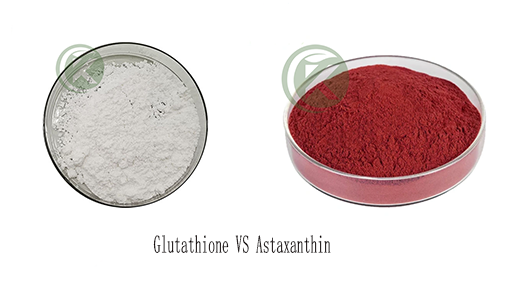
Glutathione VS Astaxanthin
2026-03-27
People are always asking which is more effective for the skin: glutathione or astaxanthin, and which is more effective for skin whitening. Kintainutri® provides a clear, detailed analysis of the distinctions between these two compounds. Furthermore, we offer glutathione with a purity of 98% and astaxanthin ranging from 1% to 10% concentration, helping you make the most suitable choice when purchasing products.
Why supplement with Glutathione and Astaxanthin?
Both glutathione and astaxanthin are Antioxidants, yet theirmechanisms of action differ entirely. ●Glutathione is an endogenous tripeptide that the human body can synthesize on its own. However, as we age, the body's glutathione levels decline, and its antioxidant capacity diminishes. Supplementing with glutathione can bolster the body's antioxidant defenses, mitigate cellular damage, and delay the aging process.
●Astaxanthin, conversely, is a lipid-soluble carotenoid—an exogenous natural pigment. As a natural compound that the human body cannot synthesize internally, it allows us to harness external resources to compensate for insufficient antioxidant capacity and combat systemic oxidative damage. Both substances must be obtained through dietary intake or supplementation.
●Astaxanthin, conversely, is a lipid-soluble carotenoid—an exogenous natural pigment. As a natural compound that the human body cannot synthesize internally, it allows us to harness external resources to compensate for insufficient antioxidant capacity and combat systemic oxidative damage. Both substances must be obtained through dietary intake or supplementation.
Glutathione vs Astaxanthin which is better for skin
●Glutathione acts deep within the skin and at the cellular level, addressing skin concerns from a fundamental, corrective perspective. By inhibiting tyrosinase, it regulates melanin production—intercepting the signaling pathway before melanin is even formed—while simultaneously promoting the metabolism of existing melanin. This accelerates the realization of skin-whitening and dark-spot-fading effects, yielding remarkable results in alleviating skin dullness and uneven skin tone. Furthermore, glutathione's detoxifying properties cleanse the body from within, thereby enhancing the skin's overall clarity and radiance.
●Astaxanthin primarily acts upon the skin's surface and cell membranes; its most potent effects are protection against UV-induced photoaging and anti-inflammation. It helps alleviate redness caused by ultraviolet radiation and prevents skin tanning, while simultaneously maintaining skin hydration and elasticity. Furthermore, it guards against skin sagging and fine lines resulting from oxidative stress, and demonstrates significant restorative effects on UV-induced inflammation. Fundamentally, it functions from a preventive standpoint to reduce the production of melanin.
Comparison of other benefits
●The liver serves as the primary source of glutathione, which participates in the liver's detoxification processes. It helps protect the liver, eliminate toxins, mitigate liver damage, and boost immunity, thereby maintaining the proper functioning of the immune system. Furthermore, it supports metabolic health, safeguards the nervous system, and helps delay cognitive decline.
●The antioxidant and anti-inflammatory properties of astaxanthin provide protective benefits for the eyes; it helps alleviate eye fatigue and strain, safeguards retinal health, and aids in the prevention of eye diseases. Furthermore, it helps prevent muscle damage and degeneration, facilitating muscle recovery following physical exertion.
Can you take glutathione with astaxanthin?
Certainly. These two are not mutually exclusive choices, rather, they can complement each other and be used synergistically. Astaxanthin works from a preventive standpoint to minimize skin damage, while glutathione addresses existing skin issues through a remedial and interventional approach. Furthermore, each offers additional benefits, such as protecting the liver, eyes, and muscles. Their mechanisms of action are complementary, and there are no conflicts between them. Moreover, astaxanthin can boost endogenous glutathione levels and enhance glutathione activity, thereby creating a synergistic effect where the combined result is greater than the sum of its parts.
Glutathione vs Astaxanthin supplement
As antioxidants, these two substances are available in various forms—including dietary supplements, cosmetic ingredients, and pharmaceutical products—and are widely utilized in the fields of health and skincare. If your primary objective is skin whitening or detoxification, glutathione is a suitable choice; conversely, if you are primarily seeking benefits related to eye health or UV protection, astaxanthin would be the preferred option. Of course, you may also choose to use them in combination, as utilizing both together can significantly enhance your overall health.
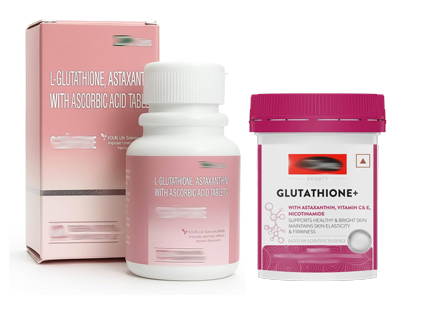
As a supplier of raw glutathione and Astaxanthin Powders, Kintainutri®is equipped to meet your diverse production requirements. We also provide comprehensive third-party testing, certifications, and reports to ensure product purity and regulatory compliance. If you require samples of these products or wish to obtain further product information, we invite you to visit the Kintainutri®Bio website and contact us.
Reference: